Filipino Kali: Martial Art vs Reality in Real-World Self-Defense
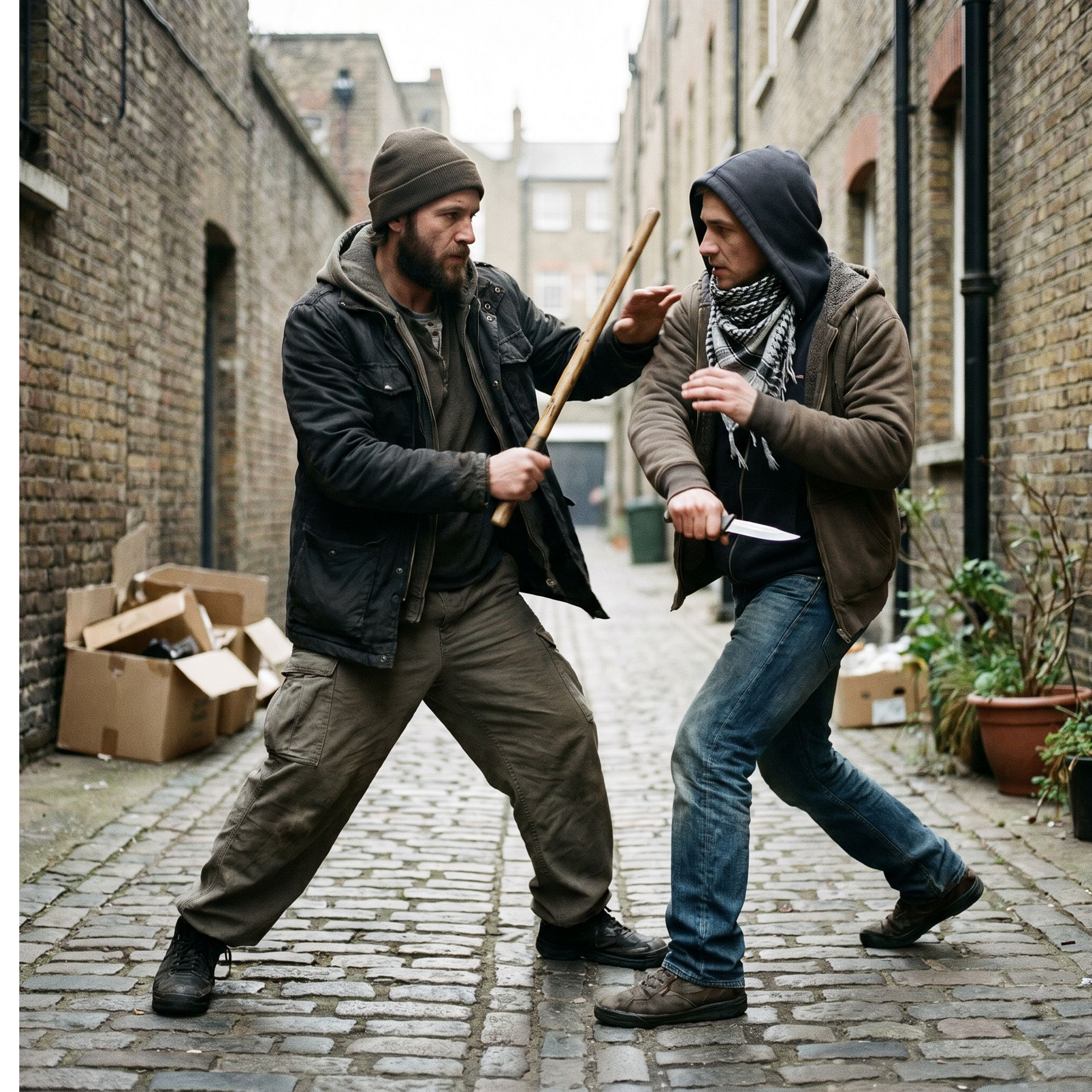
Kali at Noho MMA
Filipino Martial Arts—commonly known as Kali, Arnis, or Eskrima—is often praised as one of the most effective weapons-based martial arts in the world. Known for stick fighting, blade work, flowing drills, and fast hand transitions, Filipino Kali has gained popularity among martial artists, military personnel, and self-defense enthusiasts alike.
The art has also become widely recognized through Hollywood. The John Wick films famously incorporate Kali-inspired knife work, weapon transitions, and close-quarters combat. The fast hand trapping, fluid weapon flow, and tactical movement seen throughout the movies are heavily influenced by Filipino martial arts. While the choreography is cinematic, it also helped introduce millions of people to the speed, efficiency, and realism that make Kali unique.
But how effective is Kali in real-world self-defense?
The answer depends on the difference between martial art and reality.
What Makes Filipino Kali Unique?
Unlike many traditional martial arts that begin empty-handed, Filipino Kali often starts with weapons training first. Students learn movement, timing, angles, footwork, and coordination through sticks, knives, and impact weapons before translating those skills into empty-hand combat.
This creates several major advantages:
Fast reaction time
Strong hand-eye coordination
Weapon awareness
Fluid movement
Adaptability under pressure
Kali also teaches range management better than many martial arts. Practitioners become highly aware of distance, angles, and timing, which are critical in real self-defense situations.
Another major strength is mindset.
Many Filipino martial arts systems understand that violence can involve weapons, ambushes, and unpredictability. Because of this, Kali often feels more reality-based than traditional point-fighting martial arts.
The Difference Between Kali as an Art and Kali in Reality
This is where things become important.
A lot of Kali training is built around drills, flow patterns, partner sensitivity exercises, and weapon exchanges. These drills are excellent for developing coordination, reflexes, and technical understanding. But drills alone do not fully prepare someone for real violence.
Reality is chaotic.
Real attacks involve fear, adrenaline, resistance, unpredictability, and aggression. A person swinging wildly with bad intentions does not move like a training partner feeding perfect angles during class.
That does not make Kali ineffective—it simply means that training methods matter.
A Kali school that pressure tests techniques, trains under stress, practices realistic scenarios, and includes sparring will usually prepare students far better for actual self-defense situations than schools focused only on memorized flow drills.
Can Filipino Kali Work for Self-Defense?
Absolutely—especially when trained realistically.
Kali develops:
Awareness of weapons
Fast reflexes
Defensive movement
Improvised weapon understanding
Coordination under pressure
Aggressive counterattacks
In today’s world, weapon awareness is incredibly important. Even basic understanding of blade distance, angles of attack, and defensive movement can completely change how someone reacts during danger.
However, realistic self-defense also requires:
Situational awareness
Verbal de-escalation
Stress management
Physical conditioning
Live resistance training
Understanding legal consequences
No martial art alone guarantees safety.
Filipino Kali and Modern Self-Defense
One reason Kali has influenced so many modern self-defense systems is because it adapts well to reality. Many military and tactical programs borrow concepts from Filipino martial arts because the movement patterns are practical, efficient, and weapons-oriented.
The popularity of Kali in movies like John Wick also helped highlight how effective close-quarters weapon transitions and fluid movement can look—and function—under pressure. While Hollywood exaggerates certain elements for entertainment, the foundation of those movements comes from real martial arts principles.
But there is still a difference between training and survival.
Beautiful flow drills may look impressive, but surviving real violence often comes down to simplicity, awareness, composure, and pressure-tested fundamentals.
That is why I believe Filipino Kali is at its best when it balances art with realism.
Final Thoughts
Filipino Kali is one of the most intelligent and adaptable martial arts in the world. It develops coordination, timing, awareness, and respect for the realities of violence. But like any martial art, effectiveness depends less on the style itself and more on how realistically it is trained.
The art is valuable.
Reality is unpredictable.
The best training respects both.