Why New Competitors Should Focus on Fundamentals — Not Fancy Techniques
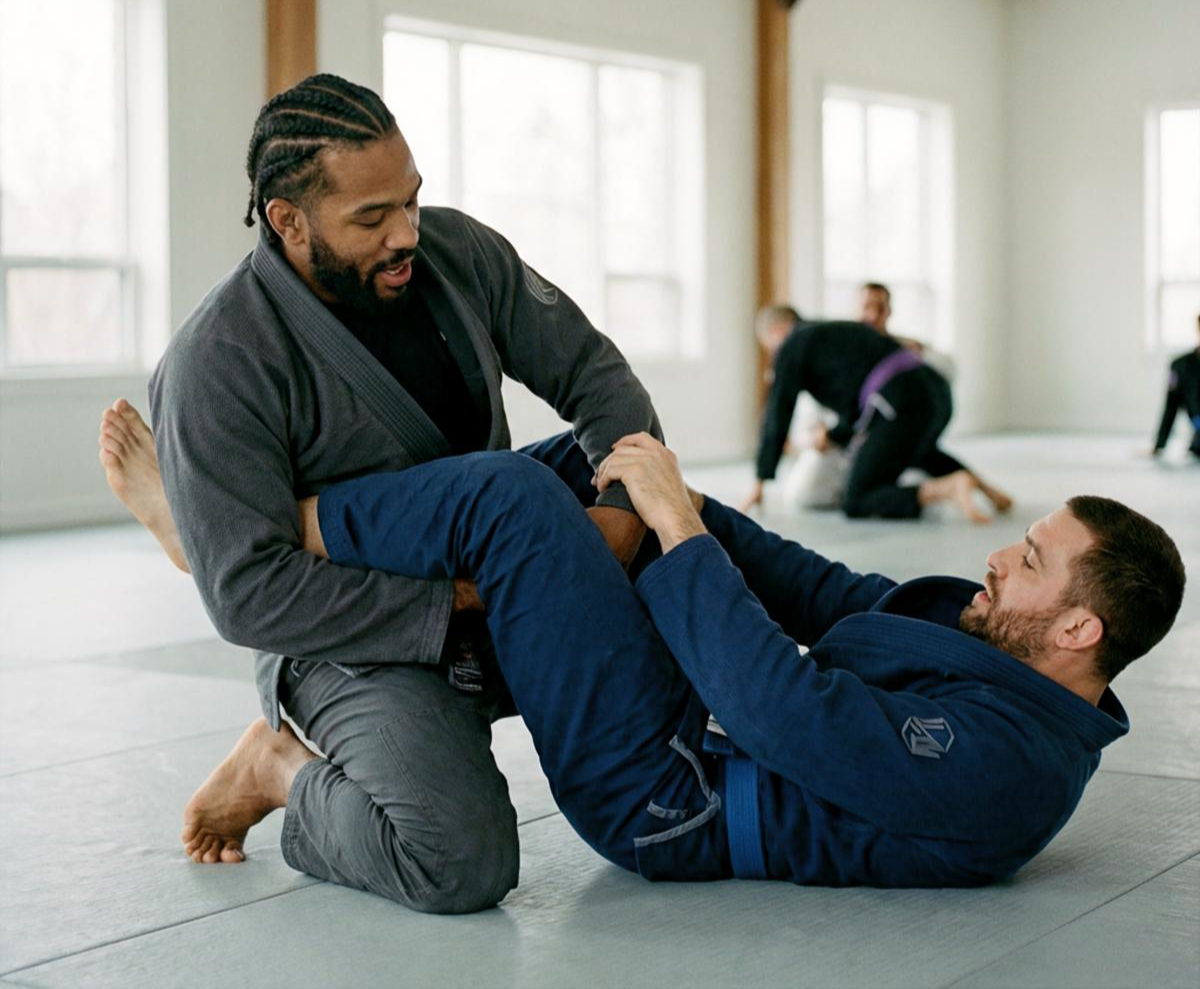
Fundamental BJJ NoHo MMA
When many students decide to compete for the first time, something interesting happens.
Suddenly, the fundamentals they’ve been drilling every week don’t feel exciting enough.
Instead, attention shifts toward the newest, flashiest techniques — the moves that look impressive online and get big reactions in highlight videos.
But here’s the truth:
Competitions are rarely won with fancy techniques.
They’re won with fundamentals performed well under pressure.
When adrenaline hits, timing feels different. Breathing changes. Grip strength fades faster than expected. And in those moments, your body doesn’t magically perform the newest move you learned last week.
It falls back on what you’ve practiced the most.
Strong posture. Solid base. Good pressure. Clean escapes. Simple sweeps. Tight submissions.
These are the tools that show up when it counts.
Fundamentals work because they don’t depend on perfect conditions.
They work against bigger opponents.
They work against faster opponents.
They even work when you’re tired.
Fancy techniques often rely on very specific reactions or precise timing. When those conditions aren’t there, the move disappears. Fundamentals, however, apply across almost every match and every rule set.
Another advantage of fundamentals is control.
Competition isn’t just about scoring — it’s about managing the pace of the match. A competitor with strong fundamentals can slow things down, stay safe in difficult positions, and capitalize when opportunities appear.
Athletes who skip the basics often find themselves chasing techniques instead of controlling matches.
The best competitors don’t ignore advanced techniques — they build on top of fundamentals that are already reliable.
A clean guard pass beats a complicated scramble.
A solid sweep beats a risky inversion.
A tight choke beats forcing something that isn’t there.
At every belt level, the athletes who perform well consistently have one thing in common:
Their fundamentals hold up under pressure.
When you begin competing, focus on sharpening the skills you use most often:
posture
balance
pressure
escapes
guard retention
high-percentage submissions
These skills create confidence because they work repeatedly, not occasionally.
Flashy techniques can always be added later.
But competitors who invest early in fundamentals build a game that lasts.
Because when the match gets tough, simple and effective always beats complicated and uncertain.
Train the basics. Trust the process. Let the fundamentals do the work.